
April is Alcohol Awareness Month. Alcohol Awareness Month was established in 1987 as a national public health initiative observed every April to reduce stigma, raise awareness about the dangers of alcohol misuse, and provide education on alcohol use disorder (AUD).
Through prevention and education efforts we have seen alcohol use continue to decline over the past few years. The reason? Some experts attribute the drop to a renewed focus on wellness and others note that vaping and marijuana use may have become a substitute for alcohol.
If you grew up in the ‘70s and ‘80s, you probably remember marijuana (cannabis) as something passed around at a concert or party, a substance primarily associated with mellow moods, and the occasional contact high. Maybe you tried it yourself, or you knew people who did. For many people back then, it didn’t often seem like that big of a deal.
Today’s cannabis is a fundamentally different substance than what most parents and grandparents remember. It’s stronger, more accessible, more socially accepted, and significantly more dangerous.
Understanding how much the cultural, social, and political perceptions of marijuana have changed is one of the most important things families can do to protect themselves and the people they love.
A Brief History of the Cultural, Social, and Political Perception of Marijuana in America
To understand where we are today, it helps to understand how we got here.
The 1970s ushered in a wave of counterculture experimentation, and marijuana was front and center. In 1970, the federal government classified cannabis as a Schedule I controlled substance under the Controlled Substances Act, placing it in the same category as heroin, meaning no accepted medical use and a high potential for abuse.
Despite its illegal status in the 1970s, marijuana use was widespread and cultural attitudes – particularly among younger people – were largely permissive. In 1972, the Shafer Commission, appointed by President Nixon, recommended decriminalizing marijuana for personal use. Nixon rejected the recommendation, but the debate had begun.
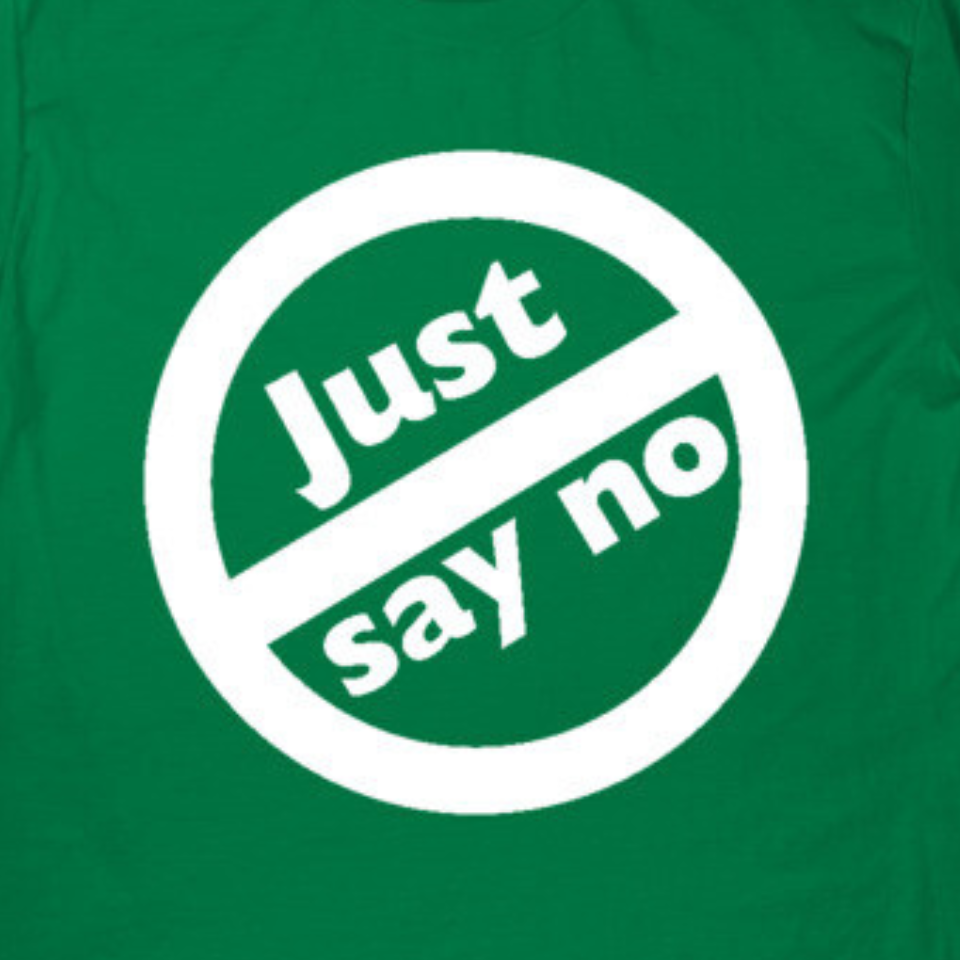
The 1980s brought a sharp cultural reversal. The “Just Say No” campaign, championed by then First Lady Nancy Reagan, dominated public messaging. Drug use became synonymous with moral failure, and mandatory minimum sentencing laws created hard-hitting consequences for marijuana possession. Use rates declined among some populations, but the drug never came close to disappearing. At this time, the marijuana available on the street was relatively low in potency. Studies show that cannabis in the 1980s had average THC concentrations of around 2-3%.
The 1990s began to shift societal perceptions once again. Grunge, hip-hop, and a new wave of pop culture references “normalized” marijuana use. In 1996, California became the first state to legalize cannabis for medical use, setting off a chain reaction that would eventually transform the entire industry. By the end of the 90s, the conversation had begun shifting from “marijuana is dangerous” to “marijuana is medicine,” a framing that, while meaningful for certain patients, also laid the groundwork for widespread minimization of its risks.
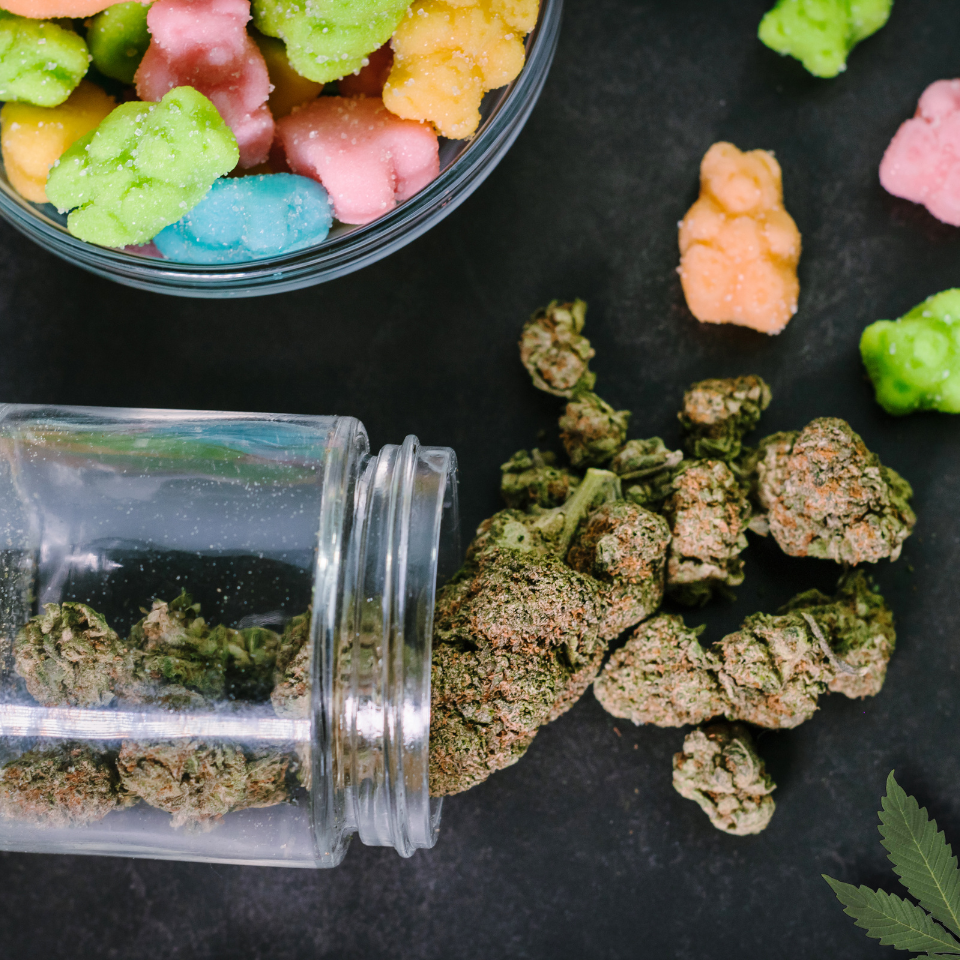
These days marijuana is legal for recreational use in 24 states and Washington D.C., and legal for medical use in 38 states. Dispensaries operate like retail stores. Cannabis-infused gummies, beverages, chocolates, and vape cartridges sit on shelves in branded packaging. And the THC concentration in today’s products? It frequently reaches 20-30%, and cannabis concentrates such as wax, shatter, and dabs can have as much as 70-90% THC. That is not the marijuana of the 70s, 80s, or 90s. Not even close.
Why Marijuana Potency Matters
THC (tetrahydrocannabinol) is the primary psychoactive compound in marijuana. It’s what produces the “high.” And when THC concentration increases tenfold or more, the effects on the brain are not simply proportionally stronger; they can be categorically different.
Higher potency marijuana overwhelms the brain’s endocannabinoid system in ways that lower-potency cannabis simply did not. This is particularly significant because:
- Tolerance builds faster. Users need more of the drug to achieve the same effect, which accelerates a cycle of escalating use.
- Withdrawal symptoms are more pronounced. Many people today experience genuine withdrawal: anxiety, irritability, insomnia, and physical discomfort. This is something rarely associated with the marijuana of previous decades.
- The risk of addiction is higher. Research now shows that approximately 9% of people who use marijuana will develop a dependence on it, and that number rises significantly for those who begin using in adolescence or who use high-potency products.
- The risk of psychiatric effects is elevated. This is one of the most urgent and underreported concerns in the field today.
The Rise of Cannabis-Induced Psychosis: What Families Need to Know
One of the most alarming developments in recent years is the documented rise in cases of cannabis-induced psychosis, a condition that can look much like schizophrenia, with symptoms including hallucinations, paranoia, delusions, and severe disorganization of thought.
This isn’t a fringe finding. Major medical institutions including Harvard Medical School, Johns Hopkins, and the National Institute on Drug Abuse have published research linking high-potency marijuana use to an increased risk of psychotic episodes. A landmark 2019 study published in The Lancet Psychiatry found that daily use of high-potency cannabis was associated with a five-times greater risk of psychosis compared to non-users.

Cannabis-induced psychosis can occur after a single heavy use episode, or it can emerge after months or years of regular use. For some people, symptoms resolve when marijuana use stops. For others, particularly those with a genetic vulnerability to psychotic disorders, cannabis can trigger a condition that becomes permanent.
Teenagers are especially vulnerable. The adolescent brain is still actively developing, particularly in areas governing decision-making, emotional regulation, and impulse control, and these are precisely the regions most affected by THC.
And yet, teens today have easier access to marijuana than perhaps any previous generation, not only because of recreational legalization, but because of the proliferation of edibles and vape products that are easy to conceal, odorless, and often packaged to be appealing to younger people.
Signs of Marijuana Abuse: What Parents and Families Should Watch For
Since marijuana has become more socially acceptable, and because many products are designed to be discreet, parents often don’t recognize the signs of a problem until it has become serious.
Here are some of the key warning signs to be aware of:
Behavioral changes: Withdrawal from family and friends, a sudden new peer group, loss of interest in activities or hobbies they previously loved, declining academic performance, increased secrecy around their phone or whereabouts, and frequently appearing “checked out” or disconnected.
Physical signs: Red or glazed eyes, the smell of smoke or a sweet, skunky odor on clothing or breath, increased appetite (“the munchies”), slowed reaction times, and disrupted sleep patterns, either sleeping much more or experiencing insomnia.
Emotional and psychological signs: Increased anxiety or paranoia, mood swings, irritability when unable to use, difficulty with memory or concentration, and in more serious cases, expressions of paranoid thinking, hearing or seeing things others don’t, or extreme confusion.
Signs specific to cannabis psychosis: If your loved one begins expressing beliefs that seem disconnected from reality, believing they’re being followed, that ordinary events carry hidden meaning directed at them, or that they’re receiving special messages. These symptoms warrant immediate professional evaluation.
It’s worth noting that many of these signs can look like “typical teenage behavior” and/or resemble anxiety and depression, which is why cannabis abuse often goes undetected. If you’re noticing a cluster of these signs, or a significant change in your loved one’s personality or functioning, trust your instincts and seek help.
How to Help Someone Dealing with Marijuana Use Disorder
If you’re concerned about a loved one’s marijuana use, you don’t have to navigate this alone and help is available.
Start with an honest conversation. Approach your loved one with curiosity rather than accusation. Acknowledge that the world has sent a lot of mixed messages about marijuana and that it can be genuinely confusing to know where the line is. Share what you’ve observed without judgment and listen to what they share in return.
Educate yourself and your family. Many people, including many teens, genuinely don’t know how much cannabis has changed. Sharing factual, non-alarmist information can be powerful. Frame it not as “marijuana is evil” but as “today’s marijuana is genuinely different, and you deserve to know the facts”.
Set clear, loving boundaries. If your teenager is using marijuana, it’s appropriate to set firm expectations, not because you’re trying to control them, but because you understand the very real risks to a developing brain. Consistency and connection are your greatest tools.
Seek professional support. If you’re concerned that marijuana use has crossed into dependence, addiction, or is triggering mental health symptoms, please don’t wait. Reach out to a qualified addiction counselor, therapist, or treatment center. Marijuana use disorder is real, it is treatable, and recovery is possible.
A Note of Hope
We understand that talking about substance use with a family member can feel scary, overwhelming, or even hopeless. But we want you to know there is hope. People recover from marijuana dependence every single day. Young people who are struggling with cannabis-induced mental health symptoms can heal. Families that feel fractured by addiction can find their way back to each other.
The first step is understanding the truth about what we’re dealing with and reaching out for support when you need it. That’s not a sign of failure. That’s a sign of love.
If you or someone you love is struggling with marijuana, use or experiencing mental health symptoms related to cannabis, we’re here to help. Reach out to us today, because nobody should have to figure this out alone.
About Herren Wellness
Herren Wellness is a thriving community of people at all stages in their recovery journey. We introduce holistic therapies and strategies centered around emotional, physical, and spiritual wellness, in addition to life coaching sessions, family support and an individualized wellness plan to provide a solid foundation in recovery from alcohol and substance use.

We believe that staying connected and community has a lasting impact on recovery, and encourage all alumni to participate in our weekly alumni meetings, seasonal events and annual retreat. Your connection to Herren Wellness doesn’t end when your stay ends; we are there for you throughout your recovery journey.
If you, or a loved one, are looking for help, please call us at (844) 443-7736, email us at info@herrenwellness.com, or register for a 30 minute consultation with our Executive Director, Lori McCarthy. It is never too early or too late to seek help for substance use at any stage.