
Recovery is, at its core, an act of profound self-love. Every day you choose sobriety, you’re choosing yourself. You’re saying, “I deserve better, I am worthy of care, and I am enough.”
You have already conquered something many young people have not: you’ve chosen to live life without numbing difficult emotions and life’s challenges through substances. Replacing old habits with new positive ones. This is not simply courageous; it’s the ultimate expression of self-respect and self-love.
As you navigate next steps in your recovery journey it is important to create new traditions or routines, embrace practical strategies to navigate triggers, practice self-love and lean on your support system.
Create New Traditions or Routines
One of the gifts of recovery is the opportunity to create new traditions. Here are some meaningful ways you can start each day:
Morning Ritual of Gratitude: Start the day by writing five things about yourself that you’re grateful for – maybe it’s your resilience, a routine that brings you comfort, your willingness to try new things, or even just the fact that you woke up with another 24 hours of recovery under your belt. This isn’t about perfection; it’s about acknowledgment.
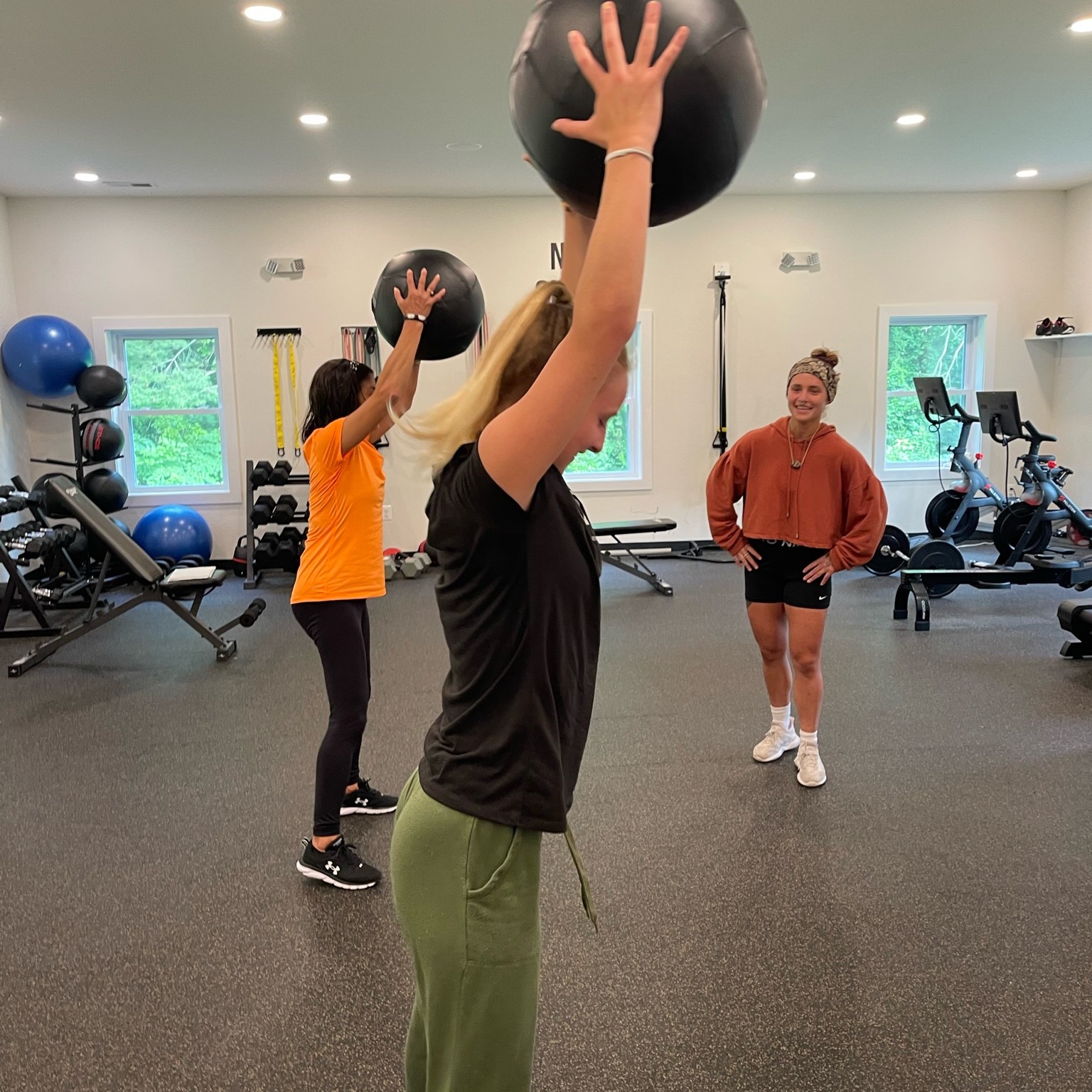
Renew Your Strength: You are stronger than you think you are. Set goals to start rebuilding, mind, body and spirit. Take a run, practice yoga or try a new fitness class. Go for a walk outside and take notice of the world around you without the fog of substances. Remember your body has been through a lot; but each day brings a new opportunity to build and improve mental and physical health.
Nourish Yourself with Intention: Cook yourself a delicious meal, or order from that restaurant you’ve been wanting to try. Prepare a peaceful space to enjoy your meal, even if it’s just for you. Eat slowly and savor each bite. This is about practicing mindful self-care, and you’re worth the effort.
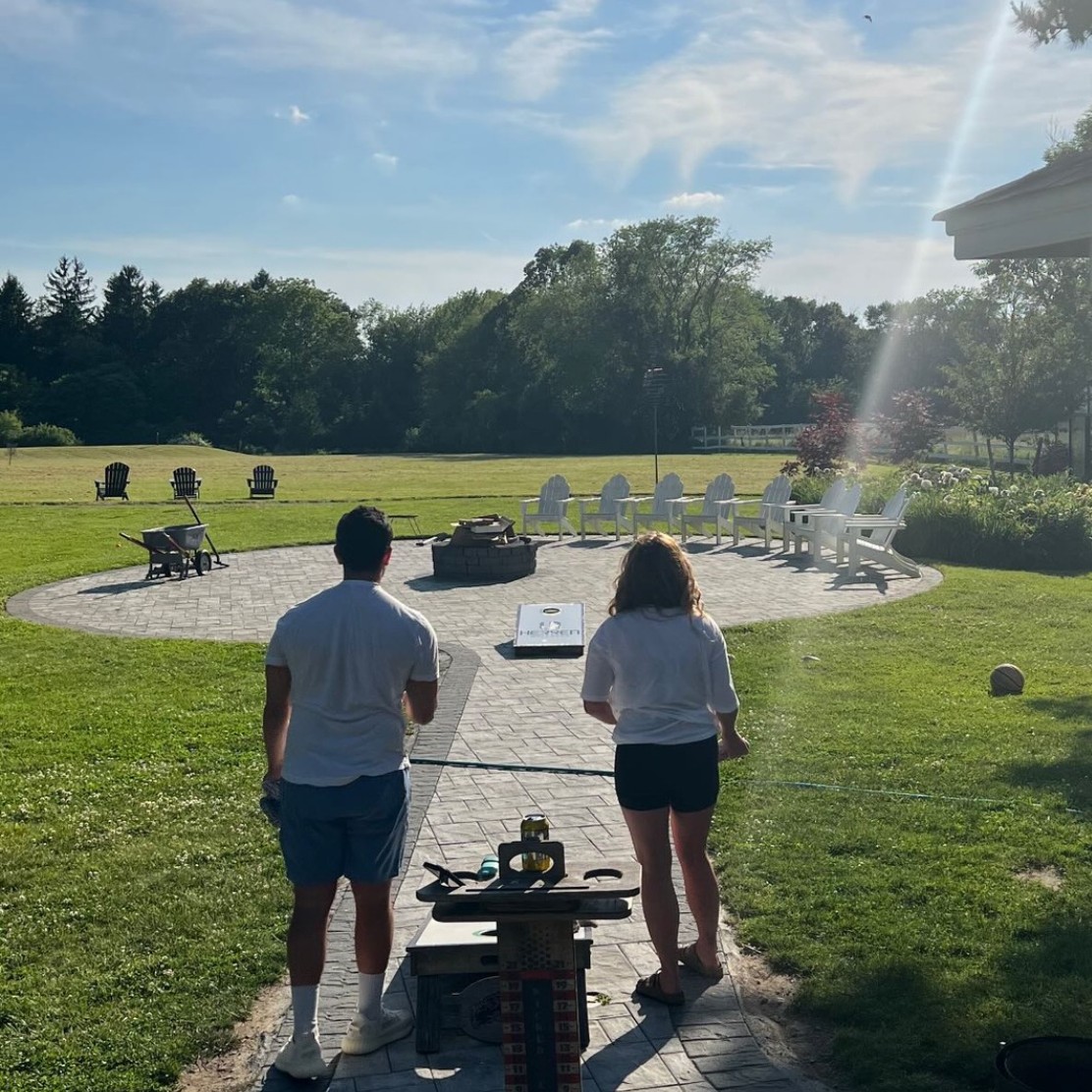
Connect with Your Support System: Recovery thrives in connection. Reach out to your recovery community, attend a support meeting, find a sober activity club, or plan a sober gathering with friends who understand your journey. In connection and community, you will find strength.
Practical Strategies for Navigating Triggers
Plan Your Day in Advance: Whether you’re spending the day alone or with others, have a plan. Find a get-well job, book a fitness class, schedule a therapy session, volunteer at a local charity, or commit to a creative project. An occupied mind is less likely to fall back into old habits.
Set Boundaries with Confidence: If you’re invited to events where alcohol will be present, it’s okay to decline. Your recovery comes first, always. If you do attend, bring your own special non-alcoholic drinks, have an exit strategy, and consider bringing a sober support person with you.
Use the HALT Check-In: Throughout the day, check if you’re Hungry, Angry, Lonely, or Tired. These states make us vulnerable to cravings. Address each need directly: eat nutritious food, process anger through journaling or exercise, reach out when lonely, and rest when tired.
Limit Social Media: Social media can be triggering and stuck in your old algorithms. Limit your screen time and begin following sober and recovery accounts to help you better navigate life as a young person in recovery. Remember: you’re not missing out – you’re building something far more valuable. You’re creating a life you don’t need to escape from.
When you feel the pull of comparison or FOMO, return to your why. Why did you choose sobriety? What has it given you that alcohol never could? Maybe it’s clarity, authentic relationships, self-respect, or simply the ability to be present in your own life. These gifts don’t need a holiday to be celebrated; they belong to you every single day.
Self-Love as a Daily Practice
The beautiful thing about learning to love yourself in recovery is every choice you make to support your sobriety is an act of self-love:
- Saying no to situations that don’t serve you
- Asking for help when you need it
- Celebrating small victories
- Forgiving yourself for past mistakes
- Choosing progress over perfection
- Investing in therapy or personal growth
- Building healthy routines
- Setting and maintaining boundaries
These aren’t just recovery tools—they are tools to help you build a foundation for lasting sobriety.
Moving Forward with Compassion and Community
As you navigate living life one day at a time in recovery from substance use disorder, you may have days that you feel uncomfortable, and that’s okay. Discomfort often signals growth. You’re rewriting years of programming on how to handle and process situations, form meaningful relationships and re-build others. Be patient with the process.
Remember, you’re not alone in this. Thousands of people are celebrating their first day, fifth week, or fifteenth year of sobriety. Each one of them has chosen to love themselves enough to stay on this path, just like you have. Lean on your support community, go to a meeting or reach out to someone you love. Each day may not be easy, but remember you are building a life filled with new purpose, reclaiming your identity and moving from isolation to connection.
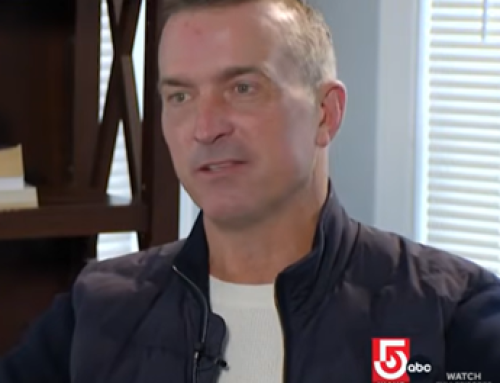
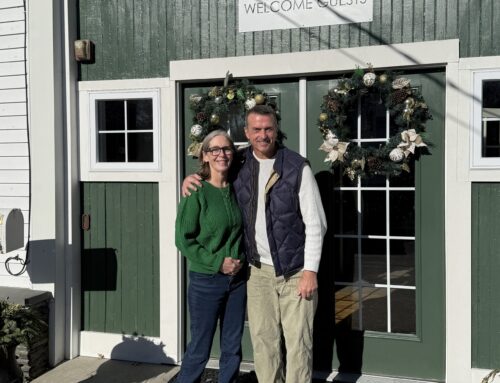
Chris Herren & Herren Wellness Executive Director, Lori McCarthy, Discuss Recovery
As part of an on-going Interview Series, Herren Wellness founder, Chris Herren, and Executive Director, Lori McCarthy sit down with Elizabeth C., Herren Wellness alumni and a young person living in recovery, to discuss her journey to sobriety, finding a community, family support and the process of healing.
About Herren Wellness
Herren Wellness is a thriving community of people at all stages in their recovery journey. We introduce holistic therapies and strategies centered around emotional, physical, and spiritual wellness, in addition to life coaching sessions, family support and an individualized wellness plan to provide a solid foundation in recovery from alcohol and substance use.
We believe that staying connected and community has a lasting impact on recovery, and encourage all alumni to participate in our weekly alumni meetings, seasonal events and annual retreat. Your connection to Herren Wellness doesn’t end when your stay ends; we are there for you throughout your recovery journey.

If you, or a loved one, are looking for help, please call us at (844) 443-7736, email us at info@herrenwellness.com, or register for a 30 minute consultation with our Executive Director, Lori McCarthy. It is never too early or to late to seek help for substance use at any stage.